Anyone who has spent a long afternoon working on a stained glass project knows the feeling — your soldering iron has been running for hours, your work surface radiates heat, and the studio temperature has climbed steadily since you started. Managing that residual heat isn’t just about comfort. It directly affects the quality of your work, the longevity of your tools, and the safety of your workspace.
Why Cooling Matters Between Sessions
 Soldering irons designed for stained glass work typically run between 700°F and 900°F at the tip. Even after you switch them off, the iron and its stand retain dangerous levels of heat for 20 to 40 minutes. Work surfaces — particularly those covered in homosote board, heat-resistant fiber mats, or metal — also hold heat well after the iron is unplugged.
Rushing through cool-down creates real problems. Tips can oxidize and pit if put away while still hot. Storage cases and tool rolls can warp or scorch. And in shared studio spaces, an unattended hot iron is a genuine fire hazard. Building a proper cool-down routine protects your investment and your studio.
Traditional Methods Glass Artists Use
 Most experienced stained glass artists rely on a few time-tested approaches:
Designated cooling stands. A heavy-duty metal soldering stand with a coiled holder keeps the iron elevated and allows air to circulate around the tip. This is the baseline — never set a hot iron directly on a work surface.
Tip cleaning before storage. Wiping the tip on a damp sponge or brass coil cleaner while it’s still warm (but not actively in use) removes flux residue that would otherwise bake onto the tip during cool-down. A clean tip cools more evenly and lasts significantly longer.
Stepped power-down. Some artists turn their irons down to a lower temperature setting 10 to 15 minutes before they plan to stop working, allowing a gentler cool-down rather than an abrupt shutoff.
Ventilation. Opening a window or running a small fan helps dissipate heat from both the iron and the work surface without creating drafts that could affect any final solder joints.
Using Cold Packs to Cool Work Surfaces
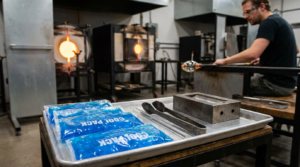 Here’s a practical trick more stained glass artists are adopting: keeping a few cold packs for coolers in the studio freezer specifically for work surface management. After a long session, placing a cold pack on a heat-resistant towel over the work area helps bring the surface temperature down faster, making the space usable again sooner — especially valuable if you’re sharing a studio or working in a small space where ambient heat builds up.
Reusable cold packs like Icepaca packs are ideal for this purpose because they stay cold for hours, don’t leak or sweat onto your tools and glass pieces, and can be refrozen indefinitely. They’re also useful for cooling gel ice wraps for tired hands and wrists after long cutting sessions.
Important note: Never apply a cold pack directly to a hot soldering iron, tip, or recently soldered piece. Rapid cooling can damage the iron’s heating element and cause solder joints to crack. Cold packs are for ambient surface cooling only, used after the iron has cooled naturally.
A few simple cool-down habits will extend the life of your tools, keep your studio safer, and have you ready to pick up where you left off next session.
 One reason glass has become a more popular artistic medium is its ability to interact with light in ways few other materials can. Transparency, translucence, reflection, and refraction allow glass art to change throughout the day as natural and artificial light shift. Artists can manipulate color, texture, and thickness to create depth and movement, giving each piece a dynamic quality that feels alive within its environment. This constant transformation makes custom glass pieces especially appealing to those seeking art that evolves rather than remains static.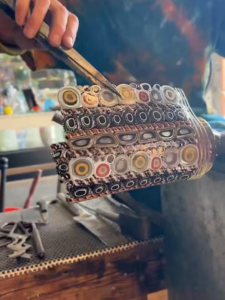
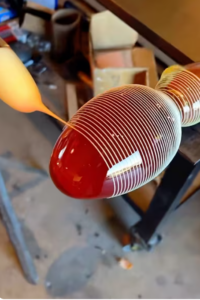 In gallery or commercial settings, minimalist backdrops are often the most effective way to showcase custom glass pieces. Neutral walls, uncluttered spaces, and simple mounting systems allow the artwork to remain the focal point. Adjustable lighting is especially important, as spotlights or backlighting can be fine-tuned to emphasize texture, color gradients, or etched details. For larger installations, spacing is key; giving each piece room to breathe prevents visual competition and enhances the overall impact.
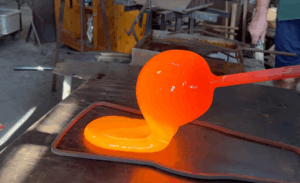 Mountain resorts like Vail and Breckenridge have long attracted affluent tourists seeking both adventure and refinement. The booming art scene in these areas has made custom glass a natural fit for high-end shops, galleries, and private collections. Blown glass ornaments, chandeliers, and tabletop pieces showcase incredible technical skill, often drawing inspiration from the natural beauty of the Rockies. The reflective qualities of glass allow artists to capture light, color, and movement in ways that echo the surrounding mountains, rivers, and snowfields. For travelers, purchasing or commissioning a piece is not merely a shopping experience—it’s an opportunity to own a tangible memory of a cherished destination.
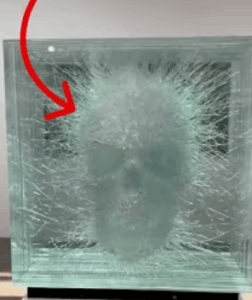 Lake Tahoe adds another dimension to this trend, offering both lakeside elegance and a rich artisan community. Local glass studios frequently offer demonstrations, giving tourists a firsthand look at the painstaking process behind each creation. Visitors are fascinated by the way molten glass can be shaped, colored, and finished into objects ranging from delicate vases to bold sculptures. These studios often highlight regional themes—snow-capped peaks, evergreen forests, and the shimmering lake itself—allowing buyers to bring home a piece of the destination in both form and story. Interestingly, some tourists combine their glass-buying trips with outdoor recreation; for instance, those who enjoy
 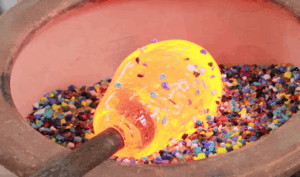 Beyond personal collections, custom glass is increasingly incorporated into high-end interior design in vacation homes, lodges, and luxury rentals. Chandeliers, accent pieces, and functional art like glass tabletops or wall panels bring sophistication and individuality to living spaces, elevating the overall guest experience. The combination of artistic flair and practical use aligns perfectly with the expectations of visitors to elite destinations.
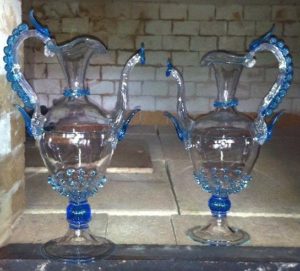 In a glass shop, artist create virtually everything that you see when inside of it. This is the only way to do it as far as we are concerned. We like that every piece of glass has our personal touch and as we move into making furniture; we also look forward to giving it our touch as well. The biggest issue that we face is having a shop that is open to those who want to look around while we are in the back working on our projects. To make it easier on us and our potential clients, we have decided on
  At this time, we have mostly glass
  With how easy having an intercom system in our shop has made our life, we are adding another to our home. We are doing it because we often have times when we are in the office and have people ring the doorbell, then it’s a
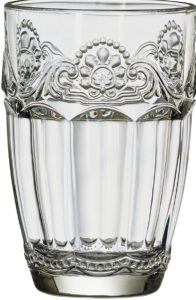
  Pressed glass or patterned glass is a beautiful art form that can be used in a variety of
 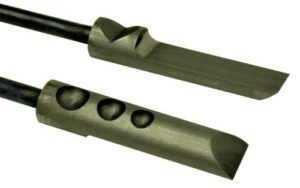 Shaped Glass Tools
 We will still continue to make
 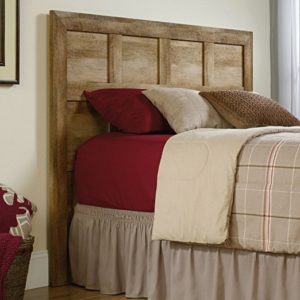 We have already begun planning for the things that we will create. We have already discovered the beauty that can be created with other things for the home. As we continue to expand our horizons and exceed your expectations, we will continue to give you only the best that we can create. We are doing it for ourselves and for the people who have asked us to create pieces of furniture that they can use and enjoy. In some cases, we may even try to incorporate our glass into some of the other furnishings so that you can have the best of both worlds. All that we ask of you is to consider taking our creations into your home and inviting others to take a look at all that we have to offer.
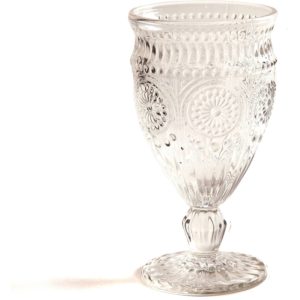 One of the most popular glass types is flint glass because it has lead in it to make it stronger and more brilliant. Some people may worry about it being made of lead, but there is no proof that shows flint glass is dangerous to your health. If you prefer, though, there are non-lead glass pieces available, but take note that they do not have the sparkling beauty of the true Flint Glass patterns.
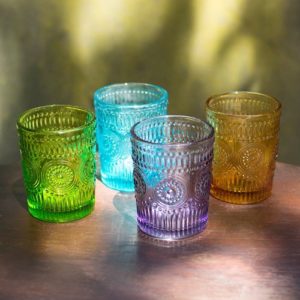 and therefore very durable and beautiful. You can choose from a variety of sugar bowls, cruets, and goblets. You will also have the opportunity to shop for Howards, a type of cleaning product that not only cleans glass, but can repair minor imperfections that may show up over extended use. This includes scratches and other dings.